If it’s the Fourth of July, it’s time to start looking for wild blackberries in the Ozarks. We are blessed with an abundance of this glorious fruit on our property, and over the years, we have harvested it and made some delectable dishes.
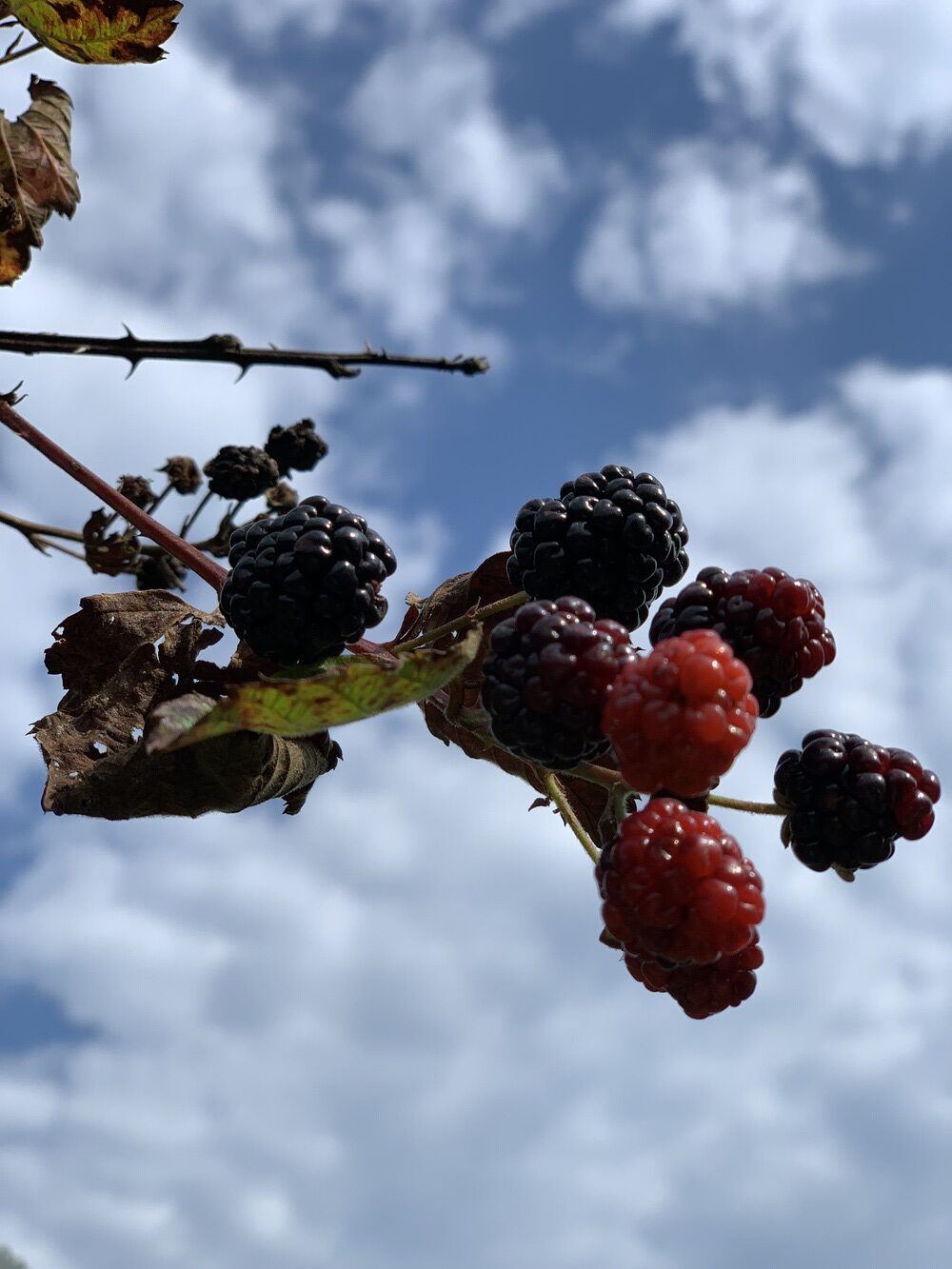
Where the Wild Blackberries Live
For the most part, birds have planted the seeds of wild blackberries, so they are everywhere. They can be found on edge rows in fields and along roadsides, because no one mows there very often. You’ll see them in the shady spots and even some sunny meadows.
Here in Missouri, we can boast several species of blackberries, aka Rubus allegheniensis. On our place, we see the common blackberry. Imagine the delight of generations who toiled on the hardscrabble of the Ozarks, finding free, sweet fruit and making cobblers, jams, syrups, tinctures and having handfuls as a snack while out and about.
In fact, the Missouri Department of Conservation connects blackberries and Ozarkian culture. For example, “the terms ‘blackberry winter’ and ‘blackberry squall’ refer to a late-spring freeze or cold spell that occurs in May or early June, when the blackberry flowers are in bloom.” The article that famous folklorist Vance Randolph once wrote about how old timers near Marshfield, Missouri, claimed that if it rained on May 23, there would not be a blackberry crop.
Indeed, there have been years when wild blackberries looked plump and beautiful and tasted awful. According to my neighbors, that means there’s been too much rain, which affects the berries’ flavor. Of course, if you have too little rain, you get raisin-looking berries instead of plump ones – with no flavor and no pizzaz.
According to “The Farmers’ Almanac,” there are three wild berries that get confused with edible berries:
- Pokeberry (Phytolacca americana). Bright purple-red berries in long drooping clusters, NOT clustered drupelets. Thick reddish-purple stem. All parts toxic.
- Baneberry (Actaea spp). Single shiny white or red berries on bright red stalks. “Doll’s eyes” baneberry has black-dotted white berries. All parts toxic.
- Deadly nightshade (Atropa belladonna). Single shiny black berries the size of small cherries. Bell-shaped purple flowers. Highly toxic to children even in small amounts.
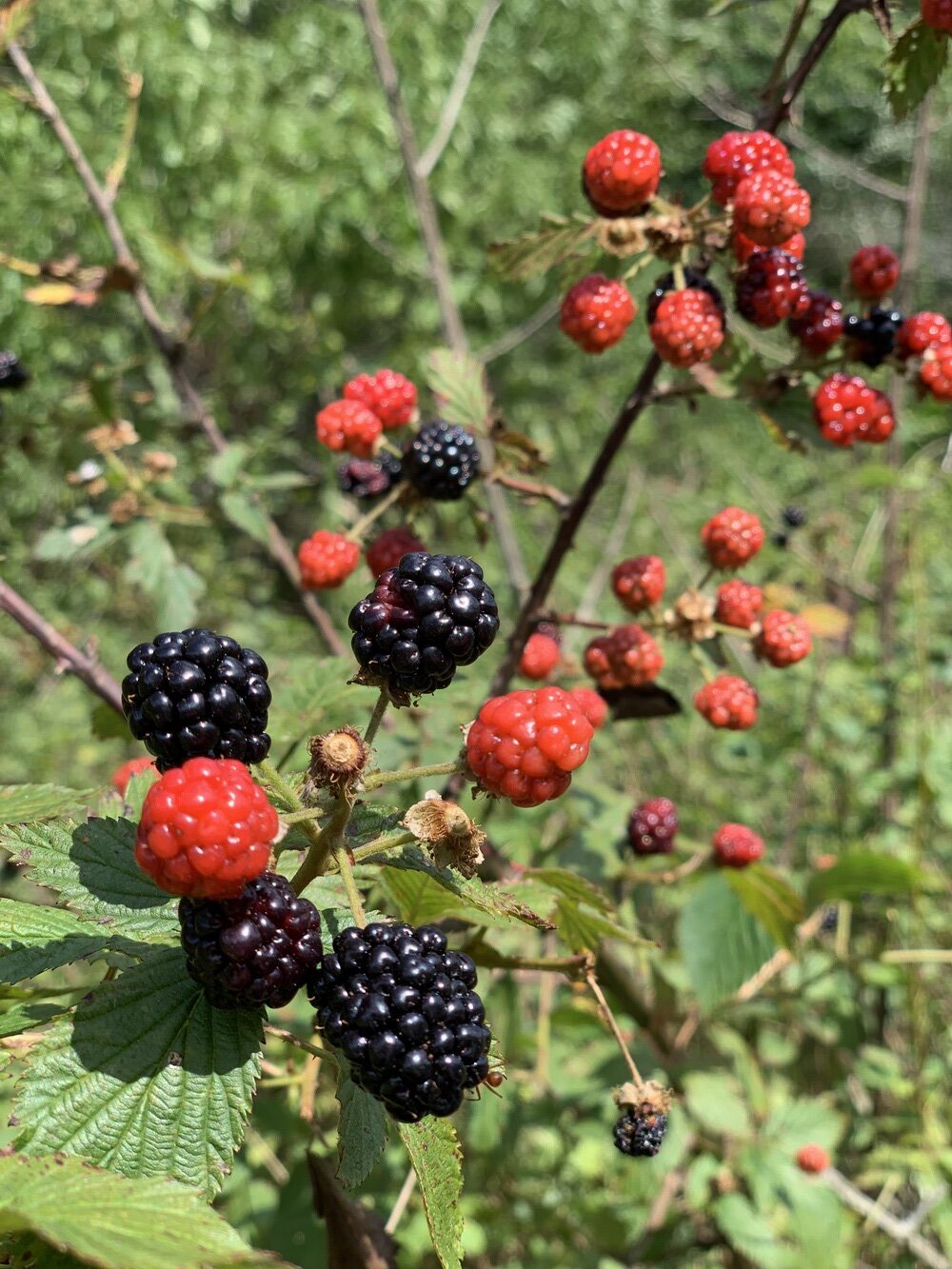
In case you need help identifying wild blackberries, check out this article at “Berry Nation.” The article states, “Of all the wild berries growing across America, the blackberry may be the most democratic. It grows in every contiguous state, from the sun-baked roadsides of Texas to the misty forest edges of the Pacific Northwest, from abandoned lots in Brooklyn to mountain trails in Colorado. You do not need to travel to find wild blackberries — in most of America, they find you. … Their identification features are distinctive and consistent across species, making them a reliable first berry for anyone learning to forage.”
However, there are some dangerous lookalikes in the berry world, and you should read up on them here. Berry Nation breaks it down, for identifying a true wild blackberry – “The bottom line on look-alikes: None of the dangerous plants above have all three of the blackberry’s key features — thorny canes, compound palmate leaves, and solid drupelet berries. If all three features are present, you have a blackberry. If any one is missing, stop and re-identify before eating.”
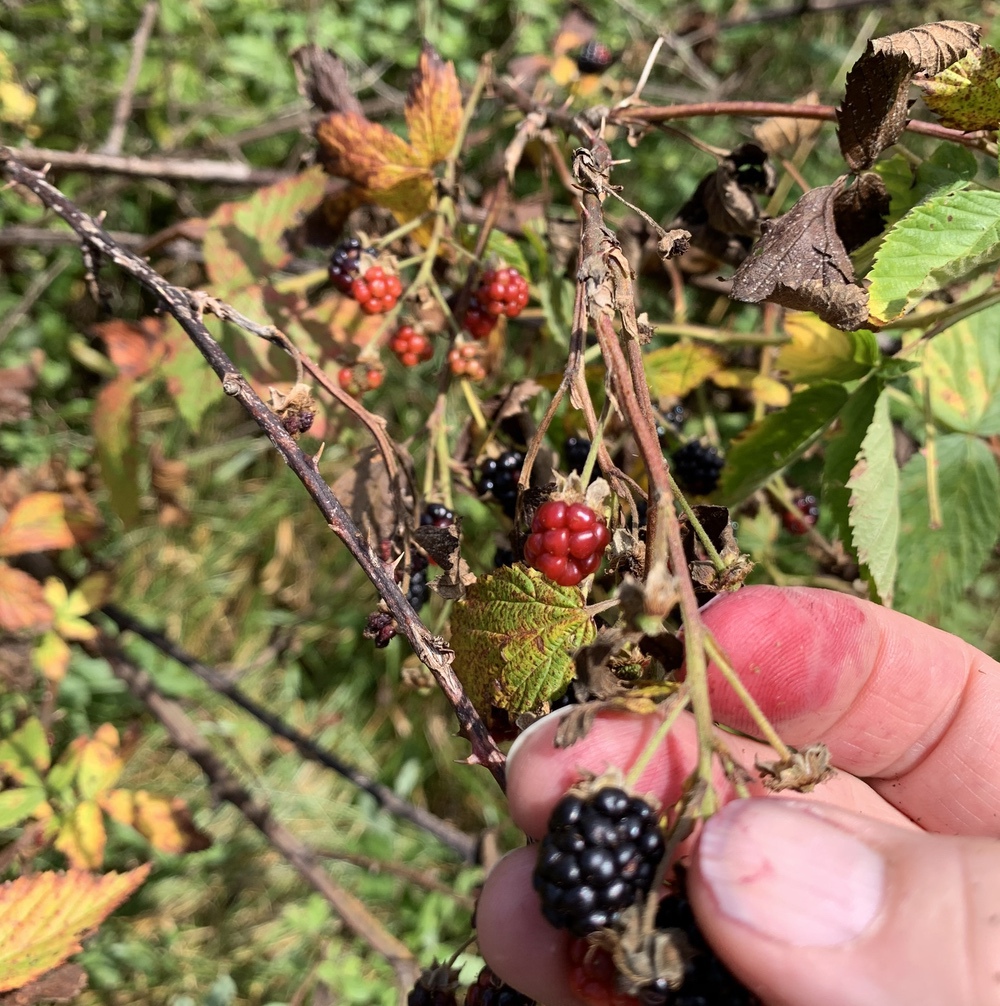
Picking Wild Blackberries 101
Here are our tried-and-true tips for harvesting wild blackberries.
- You’ll definitely want to take along bags or bowls to contain the wild blackberries. Don’t expect to put them in buckets, unless you want the bottom berries to get smashed early.
- Make sure you wear tick/chigger repellant.
- Wear long sleeves. This is where a thrift store, lightweight man’s shirt comes in mighty handy.
- When you return, make sure you wash your arms, neck and hands well with a dishwashing detergent, such as Dawn, to get any oils off your skin. You may have accidentally come across poison ivy.
- Watch for snakes, especially in rocky and hot areas.
- Also, bears. Make a lot of noise.
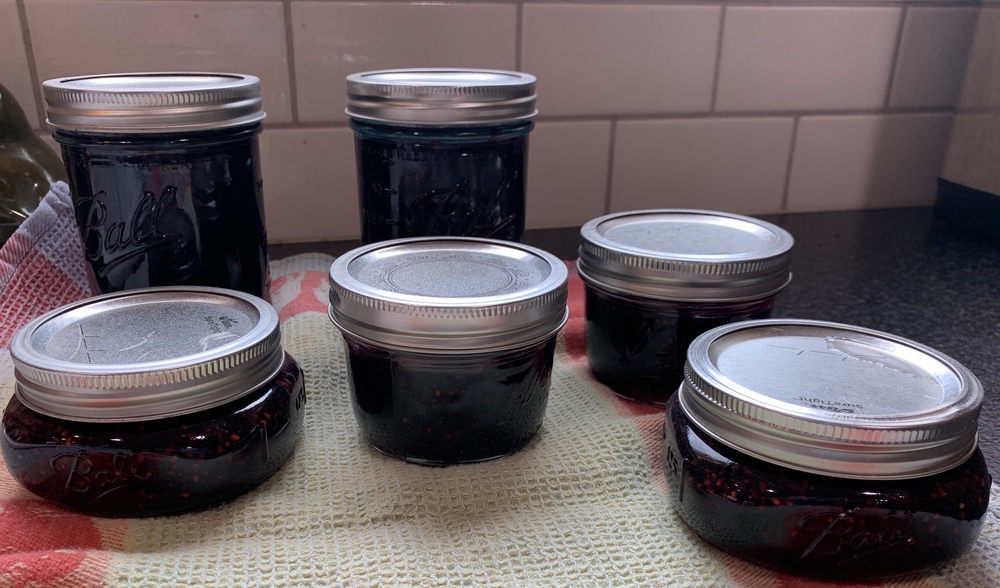
What to Do with Wild Blackberries?
You can freeze them, and use them throughout the season. Over at my website, “Women’s Outdoor News,” we have run these wild blackberry recipes:
I am preparing to make wild blackberry handpies, from a recipe I found at “Better Homes and Gardens.” I mean, how could you go wrong?
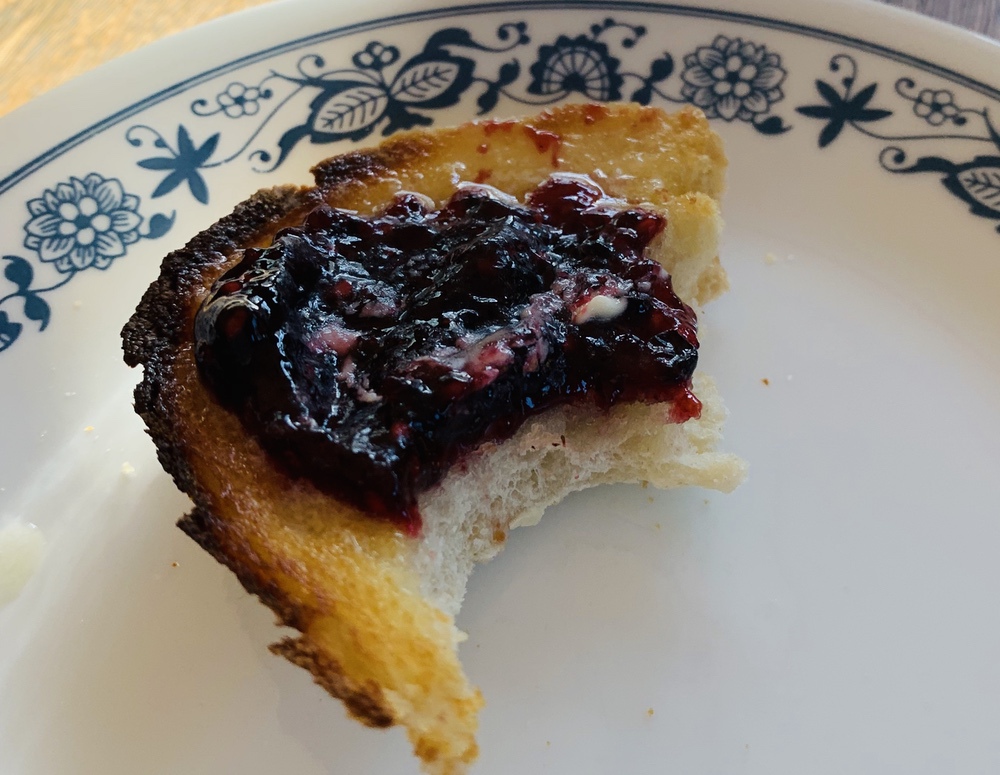
The finished product, whether it’s a scone or a margarita, or just a bunch of fresh wild blackberries in your Greek yogurt, will make you appreciate what Mother Nature has provided.